Explore evidence-based holistic nutrition through the many stages of life. CSNN’s Healthy Lifespan Certificate is for curious, health-conscious learners who want to understand how holistic nutrition and healthy living can support well-being through life’s changes, from early life and family life to healthy aging and beyond.
Go beyond the usual wellness advice and develop a deeper understanding of holistic nutrition so you can make sense of the overwhelming information out there. Learn to ask better questions and make more informed choices for yourself and your family. Whether you’ve completed our Introduction to Natural Nutrition Certificate and are ready to explore further, or you’re simply looking to invest in your own learning, this certificate offers an opportunity to explore, connect, and discover more.
The Healthy Lifespan Certificate is for curious learners who want to explore holistic nutrition and healthy living across the many stages of life.
It may be a great fit if you:
The Healthy Lifespan Certificate offers a more in-depth learning experience than our Healthy Eating & Lifestyle Certificate, with additional hours and greater opportunity to explore the relationship between nutrition, lifestyle, and living well throughout life.
Dive deeper into holistic nutrition and the factors that shape healthy living, while also exploring the important area of eco-nutrition where you’ll learn about the connections between what we eat, our environment, and the health of our planet.

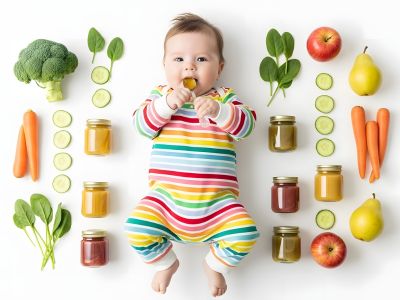
The Pediatric course presents information on how to conceive and raise a healthy child in today’s world – a world in which our children’s health is declining at an alarming rate. Children’s nutritional needs and challenges differ from adults and require a unique approach. Students learn dietary, supplementation, and lifestyle recommendations from pre-conception, through pregnancy, birth, and breastfeeding to raising healthy school-age children. This course also discusses ways to naturally manage allergies and food sensitivities, to establishing a healthy intestinal microbiome, healthy weight, the picky eater, and much more.
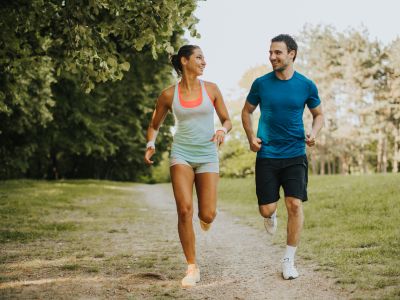
This course provides scientifically based information on the relationship between nutrition and sports performance. It covers topics such as how food is used for energy, the importance of each macronutrient (carbohydrates, protein, and fat) in fueling an athlete, proper hydration, sports supplements, and ergogenic aids, as well as how to calculate optimal caloric and macronutrient requirements specific to individual athletes and their goals. In addition, recommendations for plant-based, younger, and master athletes to the competitive athlete. Students also learn how gut health impacts performance and the importance of nutrition for recovery.
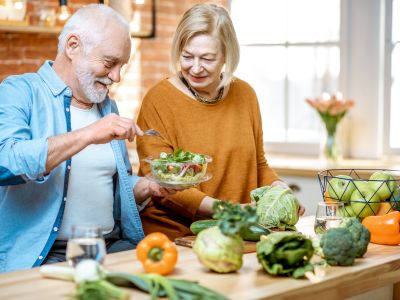
Embrace aging for longevity. This course presents well researched information emphasizing three tools known to promote longevity and health: (1) a simple, wholesome diet, (2) a daily exercise routine, and (3) the cultivation of strong, loving personal relationships. This course also provides key factors related to cognitive decline as we age and specific nutrition to support cognitive function.
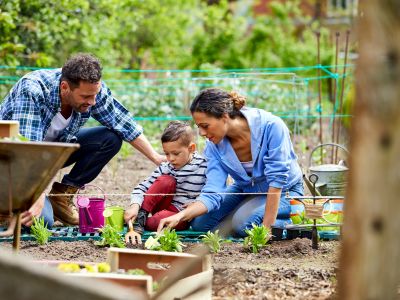
This course provides insight into the environmental effects of the current profit-driven, corporate, industrial system of food production. Understand the links between corporate industrial agriculture, traditional mixed farming, the microbiome of the soil, and health. This course discusses topics such as food security, GMOs, hidden costs of producing cheap food and sustainability with our food chain when feeding the world’s population. Students also learn the impact of having a carbon footprint and how Regenerative Agriculture and carbon sinks can reduce this footprint.