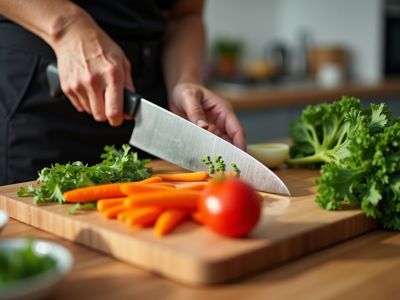
Kitchen Culture & Knife Skills
This session focuses on kitchen basics beginning with food safety essentials: maintaining a clean, organized kitchen, proper temperatures and conditions for cooking, cooling and storing food. You can brush up on knife skills and learn tips for working efficiently in the kitchen as well as the use and function of standard kitchen tools and equipment as we prepare our first meal of many together.
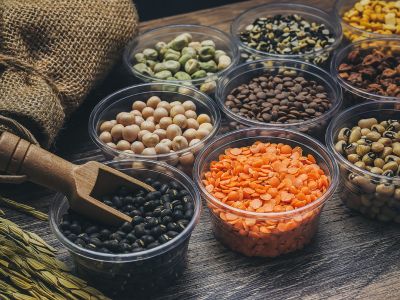
Ancient Grains & Legumes
This session introduces a variety of whole grains and legumes and their nutritional benefits with a focus on preparation for optimal nutrition and digestibility. Discover the benefits of soaking and sprouting beans, nuts, grains and seeds and how to incorporate them into everyday life.
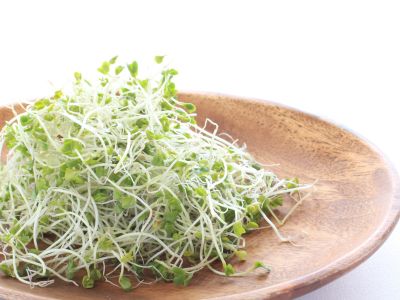
Raw Food Fundamentals
This session takes a boot camp approach to the fundamental techniques used in raw food preparation as well as a discussion of the theory and nutritional pros and cons of this dietary regime. Demonstrations and hands-on practice will cover the topics of sprouting, dehydrating, raw ‘pastas’ nut milks, etc… to help familiarize you with the tools, equipment, and recipes of raw cuisine.
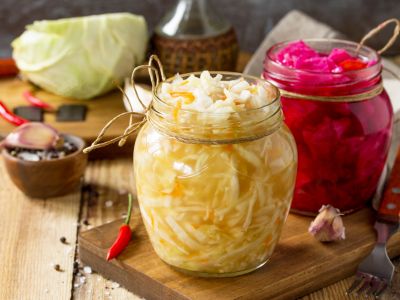
Probiotic Foods and Beverages
Cultured foods were always an integral part of Traditional diets providing digestive and immune support. This session introduces you to the ancient world of pickled, fermented and fizzy, live culture foods, the important role these probiotic rich foods and beverages play in our health and how to make and incorporate them into your everyday diet.
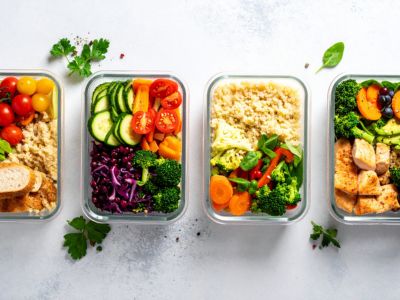
Meal Planning, Simplified
Our meal planning session is designed to provide the tools and insight on how to plan for and execute a successful week of healthy eating that incorporates personal tastes and healthy whole foods while keeping time and budget under consideration. We will take a look at recipe creation and provide meal planning tips and templates that can be useful with clients or your own family. Versatile recipes will be provided that can be adapted for batch cooking and allow for personal preferences.
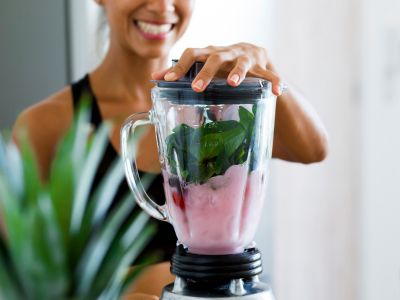
Eating for Sports and Performance
Athletes often require additional nutrients, calories, and protein to maintain muscle and performance. Learn how to create nutrient-balanced pre- and post-workout smoothies, homemade electrolyte drinks, and energy bars. Addressing the specific needs of people who need to adapt their diets for strength and performance will be applied to main meal preparation as well. A discussion on the specific dietary approaches to support both strength athletes and endurance athletes will be discussed.
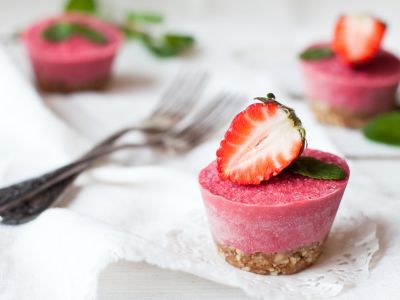
Raw Sweets and Alternative Baking
Satisfy a sweet tooth with healthier alternatives and substitutions for commonly allergenic and trigger foods. The variety of sweet made can accommodate grain-free, raw, and vegan diets and even incorporates superfoods such as goji berries, maca, and raw cacao. See how to create a creamy texture without dairy and eggs. Nutrition information will be provided on a variety of natural sweeteners and how to use them in baking and raw desserts.
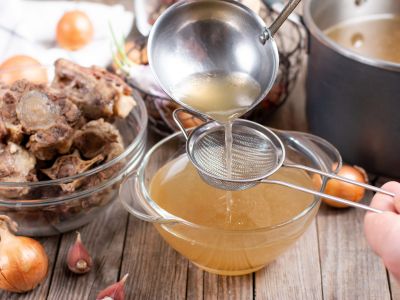
Restorative Broths and Teas
Learn how to make traditional bone broths to create a foundation for soups, stews, and sauces. Bone broths and vegetable broths are compared in preparation and nutrition qualities as students learn how to create delicious soups and stews using a versatile “recipe skeleton”. Beyond just how-to, learn the restorative benefits of bone broth and how to apply them to GAPS, paleo-type diets, and other health-giving protocols. Ethical sourcing of bones and animal products will be discussed and a local resource listing for finding quality meat and bones will be provided.
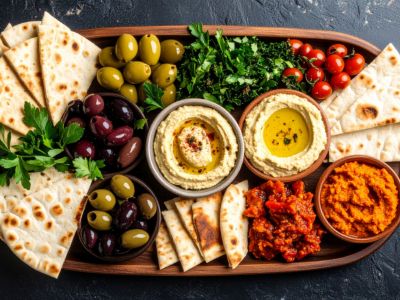
International Cuisines
Discover how geography and climate have influenced the world’s major cuisines by providing not only different key ingredients, but also the herbs and spices which define their flavor profiles. Different cultures have developed cooking techniques and all have their inherent nutritional logic. Recipes selected to provide templates to prepare Indian, Mediterranean, or Southeast Asian dishes.
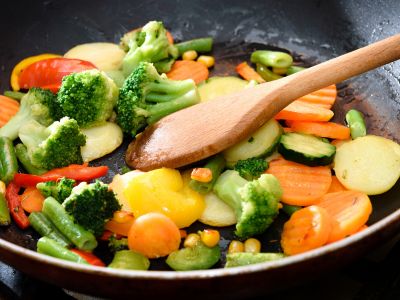
Eating Plants from Land, Lake, and Sea
Kitchen techniques will be introduced as well as how to identify, prepare, and cook a wide variety of plants that are cultivated, foraged, and wild-harvested. Learn how to properly caramelize onions, braise hardy greens, roast root vegetables, sauté, and steam as the class prepares a plant-based feast.
For more in-depth holistic nutrition training and to pursue a career in holistic nutrition, please see CSNN’s full comprehensive Natural Nutrition Diploma Program. With practical tools and cutting-edge science courses, the program provides a strong foundation for a career.