
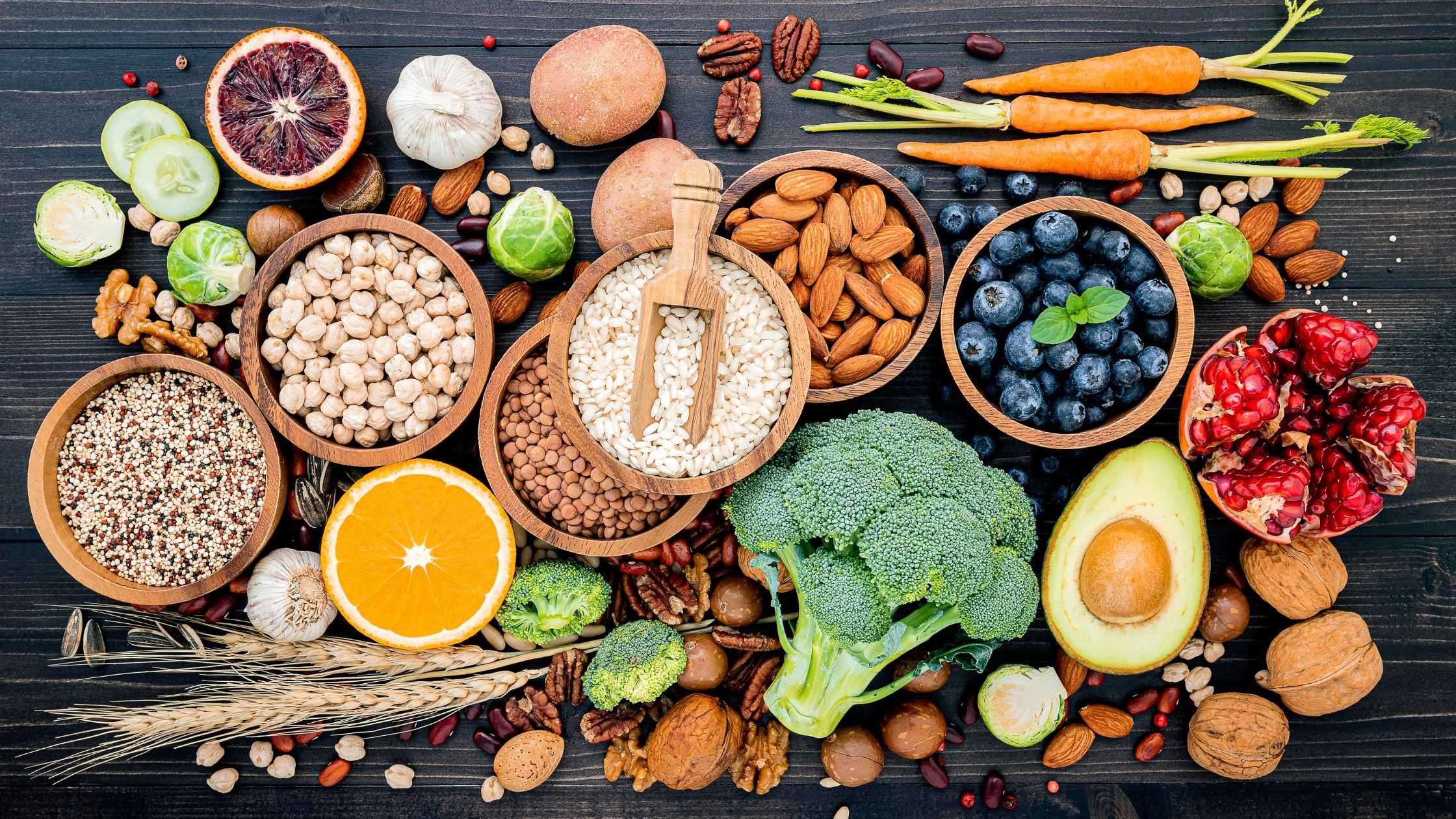
Is your gut ready for a spring reset? Here’s what you need to know about Fiber-Maxxing and Detoxing
In Spring, nature hits the “reset” button, and your gut might be looking for support too. Yet, with social media trends like fibre-maxxing and detox diets around, understanding what’s the best way to do some spring cleaning for gut health can be confusing. If you’re wondering how much fibre should you eat, or if a detox diet is a good idea, keep reading. This article will dust off the myths to a healthier microbiome in a world of trends to help you do spring cleaning with confidence.
Is Fibre-Maxxing the Best Way to Rest Your Gut Health?
The term fibre-maxxing is gaining momentum on social media. While it sounds like a high-intensity gym program, fibre-maxxing is a trend that involves saturating your gut with fibre.
But, like most trends, while founded on a healthy concept (eating fibre is part of a healthy diet), it takes it to an extreme. Fibre-maxxing suggests eating 45 to 75g of fibre per day. That’s much higher than Health Canada recommendations of 25 to 38g of fibre per day.
How Much Fibre Should You Eat?
 Most of us eat about 14 grams of fibre a day – according to surveys of average Canadians’ diets. That’s much lower than the minimum 25g recommended for adults.
If you’re an adult over 50, the Canadian Digestive Health Foundation encourages eating at least 25g of fibre to avoid constipation and reduce the risk of digestive tract illnesses. Why? As we age, the types of microbes in the gut microbiome tends to shift to less favourable microbes. With less Bifidobacteria (a type of helpful microbiota), the gut microbiome is less balanced, and symptoms such as constipation may occur.
There’s good news! Researchers investigated whether increasing the fibre intake among healthy adults to 40-50g per day for two weeks could support the microbiome. They noticed a shift in the types of beneficial microbes in the microbiome. The study found the increase in fibre intake resulted in the presence of more fibre-degrading microbes, including species of Lactobacillus and Bifidobacteria.
Is Fibre-Maxxing Right for Everyone?
While the fibre-maxxing trend is encouraging the general population to think about increasing their fibre intake, it’s important to always consider a person’s individual digestive health and needs when choosing what’s the best dietary approach. People who struggle with conditions like IBS or SIBO, jumping into a diet that contains 50 grams of fibre may cause digestive discomfort.
The best way to increase the amount of fibre in your diet, is slowly. A gentler option, is to increase your fibre intake about 5 grams per week, giving your microbial community time to shift and adapt without causing distress.
Is Eating Fibre Helpful for Detoxing: The Gut-Liver-Axis
The gut-liver axis is a connection researchers are learning more about. The health of your digestive tract appears to directly impact your liver’s workload. That’s because the gut’s microbiome can impact the body’s toxic load.
How do gut microbes influence the liver? When gut bacteria fall out of balance (dysbiosis) unfriendly microbes thrive. Unfriendly microbes produce pro-inflammatory toxins, such as lipopolysaccharide (LPS). These toxins travel to the liver, adding extra stress to its daily filtration tasks. In some cases, bacterial overgrowth or the development of “biofilms” (protective shields used by bad bacteria) can even contribute to more serious liver concerns.
Eating more fibre supports the health of the gut microbiome. As such, if you’re researching the best detox diet, it should include sufficient fibre so you can promote a balanced gut microbiome, part of a healthy gut-liver axis.
Understanding the Science Behind “Detox Diets”
While the term “detox diet” often sparks debate in the scientific community due to a lack of rigorous clinical evidence, the biology of detoxification in the body is quite fascinating.
Our bodies possess sophisticated internal systems (primarily the liver and kidneys) with incredible capabilities to process and eliminate toxins. However our lifestyles tend to be high stress, low in fibre and nutrient-rich diets. Plus, we’re exposed daily to toxins (pharmaceuticals, cosmetic products, pesticide-containing foods, urban air pollution, alcohol and cigarettes smoke). As such, the liver and kidneys work daily to support natural detoxification processes.
There are some simple healthy lifestyle habits that can offer some support to the liver and kidneys while they detox your body. Eating a variety of plant-based foods not only offers the body fibre to support the gut-liver axis, it provides antioxidants and nutrients needed for the body’s to detoxifying harmful free radicals and other compounds.
11 Plant-Based Foods to Add to a Healthy Detox Diet
Scientific studies show that certain nutrients can support natural detoxification processes in the body. These nutrients can be found in many plant-based foods, including:
- Arugula
- Broccoli
- Cabbage
- Carrots
- Cauliflower
- Celery
- Chives
- Garlic
- Leeks
- Onions
- Parsley
Eating a diet that is rich in whole foods can support the health of the microbiome, as well as support many of the body’s natural detoxification processes.
Are Lemon Water Detox Diets Healthy?
While extreme, ultra-low-calorie protocols like “lemon water” or “saltwater flushes” (often limited to 500–1000 kcal per day) can trigger rapid weight loss, they frequently lead to nutrient deficiencies, increased stress, and a rebound effect on eating habits.
Best Way to Detox This Spring
One way to support your body this spring, is focusing on nutrient-dense, plant-forward foods. This sort of diet provides your liver, kidney and gut with lots of vitamins, minerals, phytonutrients, and fibre to help these organs to be at their best.
If looking for additional support, milk thistle has been traditionally used in herbal medicine to support liver health. Of note, the active ingredient in milk thistle is silymarin – the best supplements will be standardized extracts with labels listing the specific amount of silymarin per capsule.
Holistic Gut Health: Check List
 If you’re looking to support your digestive health this spring, keep these holistic tips in mind:
Chew Well: Digestion begins in the mouth. Chews each bite well to mechanically break down tough fibers and large particles.
Mindful Movement: A 15-minute walk after lunch or dinner is a good habit to promote gut health this spring. In a randomized, controlled study, involving 94 adults (32 to 56 years of age) who walked for 10-15 minutes after meals for 4 weeks. The participants noticed significant reduction in their abdominal bloating.
Check the Label: Some snack bars advertise being “high-fibre”. Always read the labels. Processed snack bars many use isolated fibers (e.g. chicory root) in high doses, which can cause more gas in some people. Snacking on whole foods, such as an apple or banana, may be a better option.
Eat More Whole Foods: Raspberries are surprisingly high in fibre. Sweet, delicious, and fun to toss in your mouth, these small berries can be a great fibre-rich treat. It’s amazing how much fibre can be found in many whole foods, including almonds, pears and celery. The best part, most of these whole foods are easy, portable snacks.
How to Improve Your Gut Health this Spring
If you’re wondering what’s the best way to improve your gut health this spring, remember that like most things, one extreme shift isn’t the answer. If you want to get the health result you desire, consider taking a holistic approach – focus on a few, simple ways you can improve your lifestyle habits to support your health goals.
Still, wondering if a detox diet is a good idea? The body is influenced by more than what you eat. Stress, sleep, movement and hydration also play a role in the body’s ability to detox itself.
Learn More…
A holistic approach to health can help support your body be at it’s best. At the Canadian School of Natural Nutrition, We’re here to help you flourish this spring.
Come learn more about holistic nutrition and wellness. Join one of our flexible courses, programs or workshops.
With in-class courses, online programs and interactive workshops there’s a learning opportunity to help you feel your best – and even, start a career as a Holistic Nutrition Practitioner.
References
McDonald, D., et al. (2021). High-Fibre, Whole-Food Dietary Intervention Alters the Human Gut Microbiome but Not Fecal Short-Chain Fatty Acids. mSystems, 6(3), e00115-21. (link)
Schroeder BO, et al. Bifidobacteria or Fibre Protects against Diet-Induced Microbiota-Mediated Colonic Mucus Deterioration. Cell Host Microbe. 2018 Jan 10;23(1):27-40 (link)
Hosseini-Asl MK, et. al. (2021) The effect of a short-term physical activity after meals on gastrointestinal symptoms in individuals with functional abdominal bloating: a randomized clinical trial. Gastroenterol Hepatol Bed Bench. Winter;14(1):59-66. (link)
Jung SJ, et al. Effect of toxic trace element detoxification, body fat reduction following four-week intake of the Wellnessup diet: a three-arm, randomized clinical trial. Nutr Metab (Lond). 2020 Jun 22;17:47 (link)
Lampe JW, et al. (2000) Modulation of human glutathione S-transferases by botanically defined vegetable diets. Cancer Epidemiol Biomarkers Prev. Aug;9(8):787-93. (link)